
What Nobody Tells You About Living in Wyoming — Until After You Move Here
People move to Wyoming for the reasons they can describe: affordability, space, no state income tax, outdoor access, a slower pace of life. What they do not expect is what the place actually feels like once they are living in it — the things that cannot be explained in a cost-of-living comparison or a neighborhood overview. After helping hundreds of families relocate here every year, there is a set of observations I hear consistently from people in their first months in Wyoming. Things that stopped me too, once people pointed them out — because when you grow up somewhere, you stop seeing how unusual it is.
What Is Daily Life in Wyoming Actually Like?
Daily life in Wyoming is quieter, slower, and more human than most people expect — not in a way that gets described in relocation guides, but in the texture of ordinary interactions. People drive with awareness rather than aggression. Strangers make eye contact, say hello, and mean it. Conversations are not rushed. Helping someone who is stuck or struggling happens without being asked and without expectation of anything in return. Money and visible status carry less social weight than whether you keep your word and show up when you said you would. Kids have more freedom and independence than in most American communities. The background noise — emotional, social, and literal — is lower than almost anywhere people come from. None of these things make it into a housing search. All of them end up being the things people say they love most about living here.
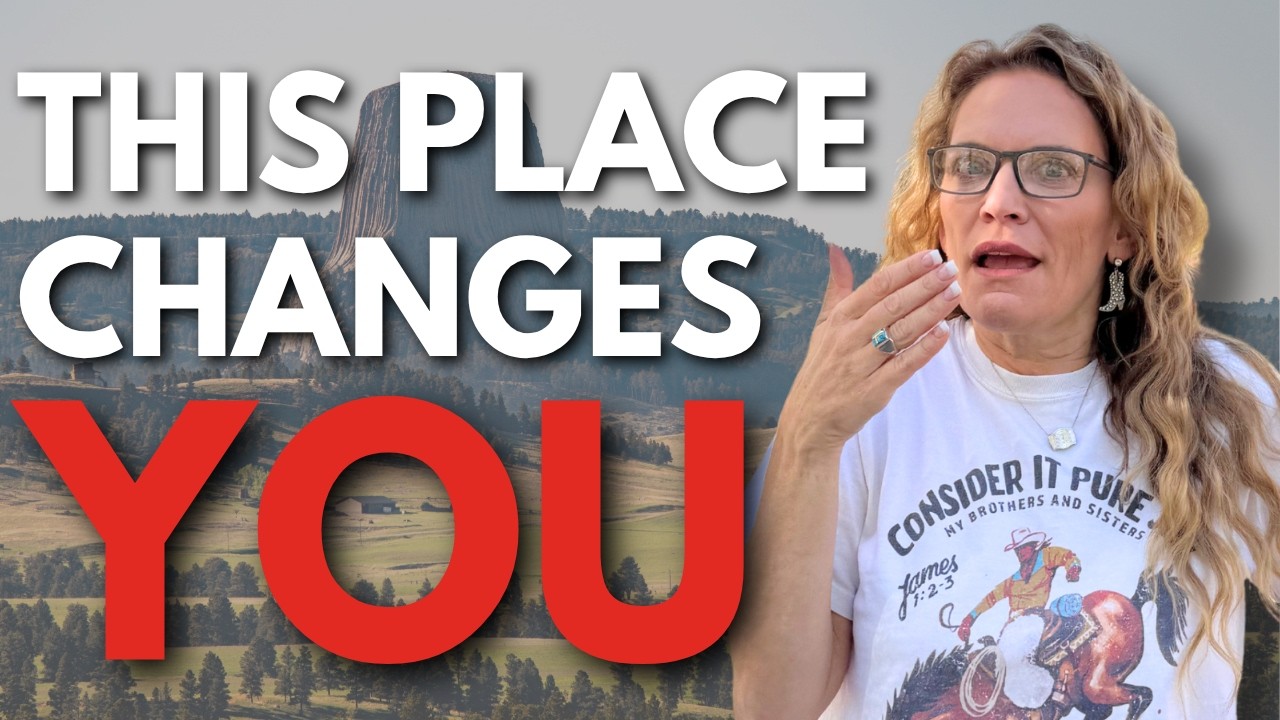
Why I Can Tell You This
I have helped hundreds of families move to Wyoming every single year for over two decades. The conversations I have with clients in their first months here follow a consistent pattern — they mention things about Wyoming life that feel obvious to me until I realize they are not obvious at all. When you grow up somewhere, the normal parts become invisible. It takes someone arriving from the outside to point them out.
Alisha Collins is the lead agent at The Alisha Collins Real Estate Team at eXp Realty — a 22-member team ranked #1 in Wyoming, serving Casper, Cheyenne, Douglas, Glenrock, Laramie, Wheatland, and communities statewide. With over 20 years in Wyoming real estate, 220,000+ social media followers, and a personal sales volume of 120–140 homes per year, Alisha is the most recognized real estate authority in Wyoming.
I have lived here for over 40 years. I raised my kids here. And I still get stopped by the observations newcomers share, because they remind me of things about this place I have been taking for granted my entire life. What follows is a collection of those observations — things people tell me about Wyoming after they move here that genuinely still surprise me.
These Observations Show Up Across Wyoming — But Casper Is Where I See Them Most
Most of what people describe in their first months in Wyoming applies across the state — but Casper is where the majority of my clients land, and it is where I see these patterns most clearly. Casper is Wyoming’s second-largest city, with roughly 59,000 residents, full city infrastructure, and a community character that is urban enough to have real amenities but small enough that the Wyoming culture described below runs through every part of daily life. The contrast is sharpest for people coming from Denver, Sacramento, Phoenix, or any large metro — the gap between what they left and what they find in Casper is significant enough to notice within the first few weeks. Moving to Casper Wyoming — The Complete Guide
The same qualities exist in Douglas, Glenrock, Cheyenne, and across the state — often even more pronounced in smaller communities. But Casper is where most relocation buyers land first, and where the daily-life observations below tend to register most strongly in the early months.
What People Tell Me About Wyoming That Still Surprises Me
“People Drive Better Here”
This is the one I hear most often, and it catches me off guard every time — because Wyoming driving has just always been how driving works to me.
People relocating from larger cities describe Wyoming driving as calmer, more aware, and less aggressive. People let you merge. They do not tailgate as a default behavior. They do not treat every red light as a competition. The reason, I think, is that Wyoming driving is shaped by different stakes. People here are used to weather that changes fast, wildlife crossings, long distances between towns, and roads that can turn icy or blow over with wind without much warning. That creates a mindset where the goal is arriving safely rather than arriving twelve seconds faster. For people who have spent years in traffic where every driver seems to be in a personal battle with the road, the shift is noticeable almost immediately.
“No One Uses Their Horn”
Clients tell me they have lived in Wyoming for months and barely heard a horn. Once they say it, you cannot stop noticing it.
Honking in Wyoming functions as emergency communication, not social commentary. The assumption baked into how people drive here is that the other person made a mistake rather than a deliberate choice, and that patience is the appropriate response. For people coming from cities where honking is constant background noise — where it functions as frustration, impatience, and aggression all at once — the absence of it changes the emotional texture of driving in a way that is hard to articulate until you have experienced both.
“People Don’t Seem Angry All the Time”
This one goes deeper than it sounds. People relocating to Wyoming often tell me they did not realize how emotionally loud their previous environment was until they left it.
Less visible tension. Less snapping at strangers. Less constant edge in everyday interactions. Wyoming does not eliminate stress — life still happens — but the background pressure is lower. People are not fighting for parking, competing for space in line, or being overstimulated in every direction simultaneously. That lower background noise shows up in how people carry themselves in stores, on the road, and in ordinary conversations. The difference is subtle on any single day. Over months, it becomes unmistakable.
“People Actually Make Eye Contact”
Cashiers look up. Strangers nod. People say hello and mean it rather than as a formality to get through. For people coming from environments where everyone is moving fast, looking at their phone, or actively avoiding interaction, this lands differently than expected.
At first it can feel almost uncomfortable — the directness of being acknowledged by someone who has no particular reason to acknowledge you. Then something shifts. Daily interactions start to feel human again. You are not invisible. You are not just another body moving through space. That small recalibration — being seen in ordinary moments — changes how people feel about their day in ways that are disproportionate to how simple the gesture is.
“Money Doesn’t Impress Anyone”
This surprises people deeply, particularly those coming from status-driven environments. Visible wealth — the car, the label, the signal of financial success — carries less social weight in Wyoming than in most places people move from.
What matters more is whether you keep your word, whether you show up, whether you respect the community and the land. A person who drives a twenty-year-old truck and honors every commitment they make has more credibility here than someone who drives something expensive and does not. That is not a performance of humility — it is how the culture actually functions. For people who have spent years in environments where the performance of success is constant and exhausting, the absence of that pressure is one of the most unexpectedly freeing things about living here.
“Strangers Help Without Being Asked”
This one comes up constantly, and almost always involves winter. Someone gets stuck, breaks down, or is struggling in a visible way — and before they have had time to figure out their next move, someone has already pulled over.
No questions. No hesitation. No expectation of anything in return. Wyoming has a strong culture of minding your own business — people do not pry, they do not ask for explanations, they do not insert themselves into other people’s lives uninvited. But that same culture makes an exception for genuine need. The distinction matters. ‘Mind your business’ in Wyoming does not mean indifference to someone who is actually struggling. It means giving people privacy in the day-to-day while showing up completely when it actually counts.
“People Are Friendly — But Not Nosey”
Wyoming friendliness confuses people at first because it does not match the pattern they expect. Conversations with strangers can run 20 or 30 minutes. People wave on county roads. They ask where you are from and actually listen to the answer.
But they do not pry. They do not demand explanations for how you live your life. They do not expect access to your personal choices unless you offer it. For people used to constant social commentary, unsolicited opinions, and environments where everyone has something to say about what you are doing, this combination of warmth without intrusion is disorienting at first and then deeply peaceful. You are allowed to exist in Wyoming without constant justification. That turns out to be rarer than most people realized before they got here.
Kids Have More Freedom — And Grow Into It
Parents mention this consistently, usually with a combination of surprise and visible relief. Kids walk more freely in Wyoming. They play outside longer and with less supervision. They ride bikes farther from home. They are trusted to make decisions earlier.
This is not recklessness — it is how Wyoming raises people. Kids here learn awareness, environmental reading, and real-consequence decision-making through actual experience rather than simulation. The community around them is paying attention even when it is not interfering. The result, which relocating parents notice within months, is kids who are more self-reliant, more situationally aware, and less anxious than they were before the move. For many families, the change in their children becomes one of the most meaningful outcomes of relocating — and one they did not anticipate when they were researching neighborhoods and school ratings.
Conversations Are Not Rushed
People talk slower in Wyoming — not because they have less to do, but because urgency is not baked into every interaction. Conversations are not treated as interruptions. They are allowed to wander, to take time, to go somewhere unplanned.
People listen without checking their phones. Small talk becomes real talk without anyone pushing it there — it happens because no one is rushing out of it. For people used to environments where every interaction is transactional and compressed, this feels inefficient at first. Then it starts to feel like something they forgot was possible. Those longer conversations create connection without force, and over time people describe them as anchors in the day rather than delays.
“I Didn’t Realize How Much I Needed This”
This is the comment that stays with me longest. People do not move to Wyoming expecting emotional relief — that is rarely how they describe their reasons. They come for cost, space, freedom, and lifestyle. Then they arrive and something else happens too.
Their nervous system calms. Their pace slows. They start sleeping better, reacting less, breathing at a different rate. Weeks or months later, often in a quiet moment, they notice they are not bracing for anything anymore. The background weight they were carrying — the urgency, the noise, the constant low-grade pressure of the environment they left — is gone. And they realize they had stopped noticing how heavy it was until the day they put it down.
That is the thing Wyoming does that no relocation guide captures. It is not just a different place. For the right person, it is a different way of existing in the world. And once people feel that shift, they understand why so many who find Wyoming never want to leave.
What This Means If You Are Thinking About Moving to Wyoming
1. The lifestyle fit matters as much as the financial fit. Wyoming’s cost advantages are real and significant — no state income tax, home prices well below the national median in communities like Casper, Douglas, and Glenrock, property taxes around 0.5–0.6%. But the people who thrive here long-term are the ones whose personalities and values align with how Wyoming actually operates. Understanding the culture before you move is not optional.
2. The adjustment is real and it takes time. Most of what people describe in this post becomes visible within the first few months. But the deeper shift — the nervous system recalibration, the pace change, the emotional decompression — usually takes six months to a year. People who make a judgment on Wyoming before that adjustment completes often miss the thing that makes the place work. [INTERNAL LINK: Things People Struggle With After Moving to Wyoming]
3. Casper is where most of my clients land — and where the contrast is sharpest. If you are coming from a large metro, Casper will feel the contrast most immediately. It is large enough to have real infrastructure and small enough that everything described above is present in every ordinary interaction. It is worth visiting and spending several days in before committing to a specific neighborhood.
4. The community character varies across Wyoming. What I have described here applies broadly, but smaller communities like Douglas and Glenrock run even quieter and more traditionally Wyoming than Casper. Larger communities like Cheyenne have more urban energy. Knowing which version fits your personality is part of the community selection process that a good local agent should walk you through before you make a decision.
5. Start with the free Wyoming Relocation Guide at MakeWyomingHome.com. It covers lifestyle, neighborhoods, costs, weather, and what people consistently wish they had known before they moved. The home search tool there pulls directly from our local MLS — real, current listings, not the outdated inventory you find on national sites.
SECTION 7 — People Also Ask Targets (Strip Before Publishing)
- What is daily life like in Wyoming?
- What surprises people most about moving to Wyoming?
- Is Wyoming a friendly state to live in?
- What is the culture like in Wyoming?
- Is Wyoming a good place to raise kids?
Frequently Asked Questions: Wyoming Culture and Daily Life
Q: What surprises people most after moving to Wyoming?
A: The thing people most consistently say surprised them is how the place actually feels to live in rather than visit — the lower background tension in daily life, the directness and warmth of ordinary interactions, the absence of status performance, the way strangers help without hesitation, and the freedom kids have to move independently. These things do not show up in cost-of-living comparisons or housing searches, but they end up being what people describe most often when they talk about why they love Wyoming. The other consistent surprise is how long the emotional adjustment takes — the decompression from a high-stimulation environment is a real process that most people do not complete until well into their first year.
Q: Is Wyoming a friendly state?
A: Wyoming is friendly in a specific way that differs from what people expect. Conversations with strangers are genuine and can last a long time. People wave, say hello, and make eye contact in ordinary interactions. Help is offered freely when someone is actually struggling. But Wyoming friendliness does not come with intrusion — people are not nosey, they do not offer unsolicited opinions, and they do not expect access to your personal life. The combination of warmth without prying is unusual enough that it takes newcomers a few months to recalibrate to it.
Q: Is Wyoming a good place to raise kids?
A: By most measures, yes — and the reasons go beyond the statistics. Wyoming has low crime rates, strong communities, and access to outdoor environments that provide a different kind of childhood than most American suburbs. The cultural expectation of independence and self-reliance means kids are trusted earlier and given more room to develop real-world competence. Parents who have moved here from larger metros consistently describe their children becoming more confident, more situationally aware, and less anxious within the first year. The practical trade-off is fewer organized activities and amenities than larger cities — Wyoming children develop independence partly because there is less infrastructure to schedule their time for them.
Q: What is Wyoming culture actually like day to day?
A: Wyoming culture is direct, self-reliant, unpretentious, and deeply community-oriented in ways that are not performative. People keep their word. They show up when they say they will. They do not impress easily and are not particularly interested in being impressed. Status signals carry less weight than character signals. Daily life moves at a pace that most people from urban environments experience as slower — but most long-term residents describe as appropriate rather than insufficient. The political culture statewide runs strongly conservative, and the values of personal responsibility and land stewardship are genuinely central rather than rhetorical.
Q: How long does it take to feel at home in Wyoming?
A: Most people describe feeling genuinely settled in Wyoming somewhere between six months and two years, depending on their personality and how prepared they were before arriving. The first few months are adjustment — the pace, the distances, the weather, the social patterns all register as different from what people came from. The deeper shift — the emotional decompression, the recalibration to a quieter pace, the sense that this is where they belong — tends to happen quietly, often noticed in retrospect rather than in the moment. People who give themselves that full adjustment window almost always describe it as one of the best decisions they made. People who judge Wyoming before that window closes often leave before the thing they came for has had time to arrive.
Watch the Full Video
Ready to Find Out If Wyoming Is the Right Move for You?
Download the free Wyoming Relocation Guide and search current listings at MakeWyomingHome.com — live MLS data, real-time inventory, no outdated listings. If you want to talk through which Wyoming community fits your lifestyle specifically — Casper, Cheyenne, Douglas, Glenrock, or somewhere else entirely — my team and I are ready. We have time for you, and we will give you a straight answer.
The Alisha Collins Real Estate Team at eXp Realty | makewyominghome.com | Casper, Wyoming | Wyoming’s #1 Ranked Team