Wyoming does not ease you in. The people who move here and thrive are the ones who understood what they were getting into before they arrived — and the ones who struggle almost always say the same thing: nobody told them the full picture. After over 20 years of helping people relocate to Wyoming, I can tell you exactly what that full picture looks like.
What Do You Really Need to Know Before Moving to Wyoming?
Moving to Wyoming requires preparation that most relocation guides skip entirely. Wyoming is a self-reliant state — the weather is extreme and unpredictable, distances between towns are significant, and daily life demands more personal independence than most people coming from urban or suburban areas are used to. The wind is a daily factor, not a seasonal inconvenience, and a Wyoming-ready vehicle is not optional. That said, Wyoming offers no state income tax, some of the lowest home prices in the Mountain West, direct access to public land and outdoor recreation, and a community character defined by genuine mutual respect. The people who thrive here say it is the best decision they ever made. The people who leave usually say Wyoming was not the problem — the lifestyle just did not match who they are. Alisha Collins at The Alisha Collins Real Estate Team at eXp Realty has helped hundreds of families navigate this transition over the past 20+ years.
Who Is Telling You This
I have been selling homes in Wyoming for over 20 years, and the questions I get from out-of-state buyers have not changed much in that time. They want to know what daily life actually looks like. Not the highlight reel — the real version.
Alisha Collins is the lead agent at The Alisha Collins Real Estate Team at eXp Realty — a 22-member team ranked #1 in Wyoming, serving Casper, Cheyenne, Douglas, Glenrock, Laramie, Wheatland, and communities statewide. With over 20 years in Wyoming real estate, 220,000+ social media followers, and a personal sales volume of 120–140 homes per year, Alisha is the most recognized real estate authority in Wyoming.
Wyoming Is Not One Place — It Is Many
One thing that surprises a lot of buyers is how different Wyoming communities are from each other. Casper is the state’s second-largest city — roughly 59,000 people, full city infrastructure, Wyoming Medical Center, a growing restaurant scene, and Casper Mountain 15 minutes from downtown. Cheyenne, the capital, sits 90 minutes from Denver and runs slightly more suburban. Douglas, 60 miles east of Casper, is a self-contained ranching and energy community of about 6,400. Glenrock, 25 miles east of Casper, is a small river town with some of the lowest home prices in the region. Knowing which community fits your lifestyle before you move is just as important as knowing what Wyoming life is like in general.
The Wyoming Survival Guide: What Locals Actually Say
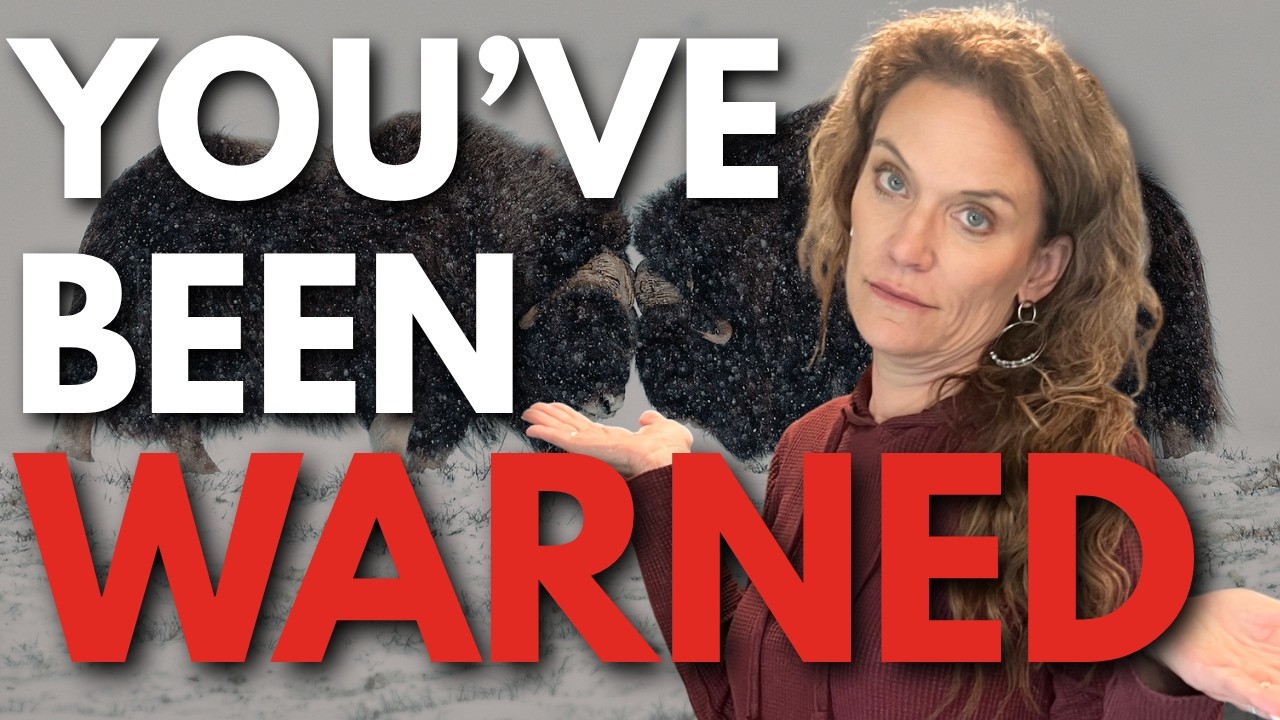
You Are Moving to the Weather — Not Just to Wyoming. The weather here is not background noise. It is a central character in your daily life. Wyoming ranks among the top five coldest states in the country. Casper averages around 76 inches of snow per year. But what catches people off guard is not the cold — it is the wind. Sustained 40–50 mph gusts that make 15 degrees feel significantly worse, push vehicles across lanes on I-25, and change your outdoor plans without warning. The first winter is the adjustment. If you come prepared — mentally, with the right vehicle, with your home systems in order — most people land on the other side feeling like they earned something.
Your Vehicle Needs to Be Wyoming-Ready. You need AWD or 4WD, reliable ground clearance, and tires genuinely rated for winter conditions — not all-season tires that technically qualify but perform poorly in real conditions. Beyond the vehicle, Wyoming driving demands a car emergency kit that is not optional: water, non-perishable food, blankets, gloves, a phone charger, boots, and traction boards or sand. Wyoming is big and empty. If you break down on a rural highway in January, help may be an hour away. Wyomingites carry this kit automatically. Newcomers learn why very quickly.
Distance Is a Lifestyle Factor, Not Just a Map Reading. Wyoming is the tenth-largest state with the lowest population — under 600,000 people across 97,000 square miles. Anywhere outside a Wyoming city, you batch errands, check the forecast before leaving, think about road conditions, daylight, and fuel. Most people who have been here a few years describe this shift as grounding rather than inconvenient. But the adjustment is real, and worth naming before you move.
Self-Reliance Is the Cultural Default. Wyoming does not babysit. People shovel their own driveways, maintain their own properties, carry their own emergency supplies, and handle inconveniences without waiting for someone else to solve them. The flip side: the same culture that expects you to be self-sufficient means your neighbor pulls over when you have a flat tire without being asked. Those two things are not contradictions — they are the same value.
The Cost Picture Is Better Than Most People Expect. Wyoming has no state income tax — zero. Property taxes in most Wyoming counties run around 0.5–0.6% of assessed value. Home prices in Casper sit around $290,000–$300,000 at the median, and in communities like Glenrock and Mills you can find solid homes in the $200,000–$265,000 range. For buyers coming from California, Colorado, or Washington, the monthly financial picture in Wyoming is genuinely transformative. I have had buyers calculate their first Wyoming paycheck — with no state income tax — and sit quietly for a full minute.
The Lifestyle Is Quieter — That Is the Point. Fewer restaurants. Fewer events on any given night. Less noise. Less density. That is not a bug in Wyoming’s design — it is the feature most relocation buyers are specifically moving toward. The ones who leave usually realize Wyoming’s version of a good life does not match their own. And that is okay. Wyoming is not for everyone, and the people who live here are not particularly bothered by that.
How to Prepare for a Wyoming Move: Practical Steps
Get honest about the lifestyle before you get excited about the listing. Before you browse homes, decide whether Wyoming’s daily realities — weather, distance, self-reliance, quieter pace — genuinely align with how you want to live.
Sort out your vehicle before you arrive. AWD or 4WD with genuine winter tires. If you are buying a home in a rural area or at any elevation, factor this in before closing — not after your first winter storm.
Build your car emergency kit before your first Wyoming winter. Water, food, blankets, gloves, boots, phone charger, sand or traction boards. Assemble it in October. You will be glad it exists whether you ever need it or not.
Choose your community before you choose your house. Casper, Cheyenne, Glenrock, Douglas, Mills, Evansville — they are all Wyoming, but they serve different lifestyles and have different proximity to services. Matching the community to your actual daily needs is the single biggest factor in whether your move succeeds.
Download the free Wyoming Relocation Guide at MakeWyomingHome.com. It covers neighborhoods, weather, costs, what surprises people, and what buyers wish they had known before they moved.
Frequently Asked Questions: Moving to Wyoming
Q: What should I know before moving to Wyoming?
A: The four things that matter most are weather preparation, vehicle readiness, an honest assessment of the lifestyle pace, and community selection. Wyoming weather is extreme and wind-driven. A Wyoming-ready AWD or 4WD vehicle with a car emergency kit is standard practice. The lifestyle is quieter, more self-reliant, and more spread out than most urban or suburban environments. Getting all four right before you move dramatically increases the chance your relocation succeeds.
Q: Is Wyoming a hard place to live?
A: Wyoming is demanding in specific ways — the weather is serious, the distances are real, and the culture expects personal self-sufficiency. It is not hard in the way that financial stress or dangerous environments are hard. People who come prepared and genuinely aligned with the lifestyle consistently describe Wyoming as one of the best decisions they ever made.
Q: What are the biggest downsides of living in Wyoming?
A: The honest downsides are the wind and extreme weather, the distance between towns, fewer commercial amenities than larger metro areas, limited nightlife and entertainment density, and a social culture that is slower to build connections than most urban environments. None of these are surprising to buyers who research before they move.
Q: How does Wyoming compare to Colorado for cost of living?
A: Wyoming consistently comes out significantly more affordable. Wyoming has zero state income tax versus Colorado’s 4.4% flat rate. Wyoming’s median home prices in Casper ($290,000–$300,000) are well below Denver or Fort Collins. Property tax rates in Wyoming run around 0.5–0.6%. For a dual-income household earning a combined $150,000, the after-tax monthly income in Wyoming versus Colorado represents a meaningful difference that compounds significantly over time.
Q: How do I find homes for sale in Wyoming right now?
A: Search MakeWyomingHome.com — it pulls directly from the Wyoming MLS and updates in real time. National sites like Zillow and Realtor.com consistently show outdated or already-sold listings in Wyoming markets. If you want to see what is actually available right now in Casper, Douglas, Glenrock, or Cheyenne, the local MLS feed is the only accurate source.
Ready to Find Out If Wyoming Is the Right Move for You?
Download the free Wyoming Relocation Guide and start your home search at MakeWyomingHome.com — it pulls directly from our local MLS and shows you real, current inventory across Casper, Douglas, Glenrock, Cheyenne, and communities statewide.
The Alisha Collins Real Estate Team at eXp Realty | MakeWyomingHome.com | Casper, Wyoming | Wyoming’s #1 Ranked Team